
Insulated Concrete Formwork: why this system is proving popular with our self-build clients
Thinking about using ICF to build your home? Our Director, John Everitt shares practical advice from real projects.
Insulated Concrete Formwork (ICF) is one of several Modern Methods of Construction (MMC) used in residential projects. It’s a system more of our self-build clients are asking about as they plan their new homes.
At coombes everitt, we’ve used a range of ICF systems across different projects. That experience means we can explain where it works well, and what to be aware of to help a project run smoothly.
WHEN TO TALK ABOUT ICF ON A PROJECT
When you’re planning a home, priorities like sustainability, design, the speed of the build and budget all come into play. The decision to use ICF usually happens once the site constraints and ambitions for the house are clearer.
Sometimes clients come to us having already researched ICF. But, more and more we are offering these systems as an alternative construction method for our clients to consider.
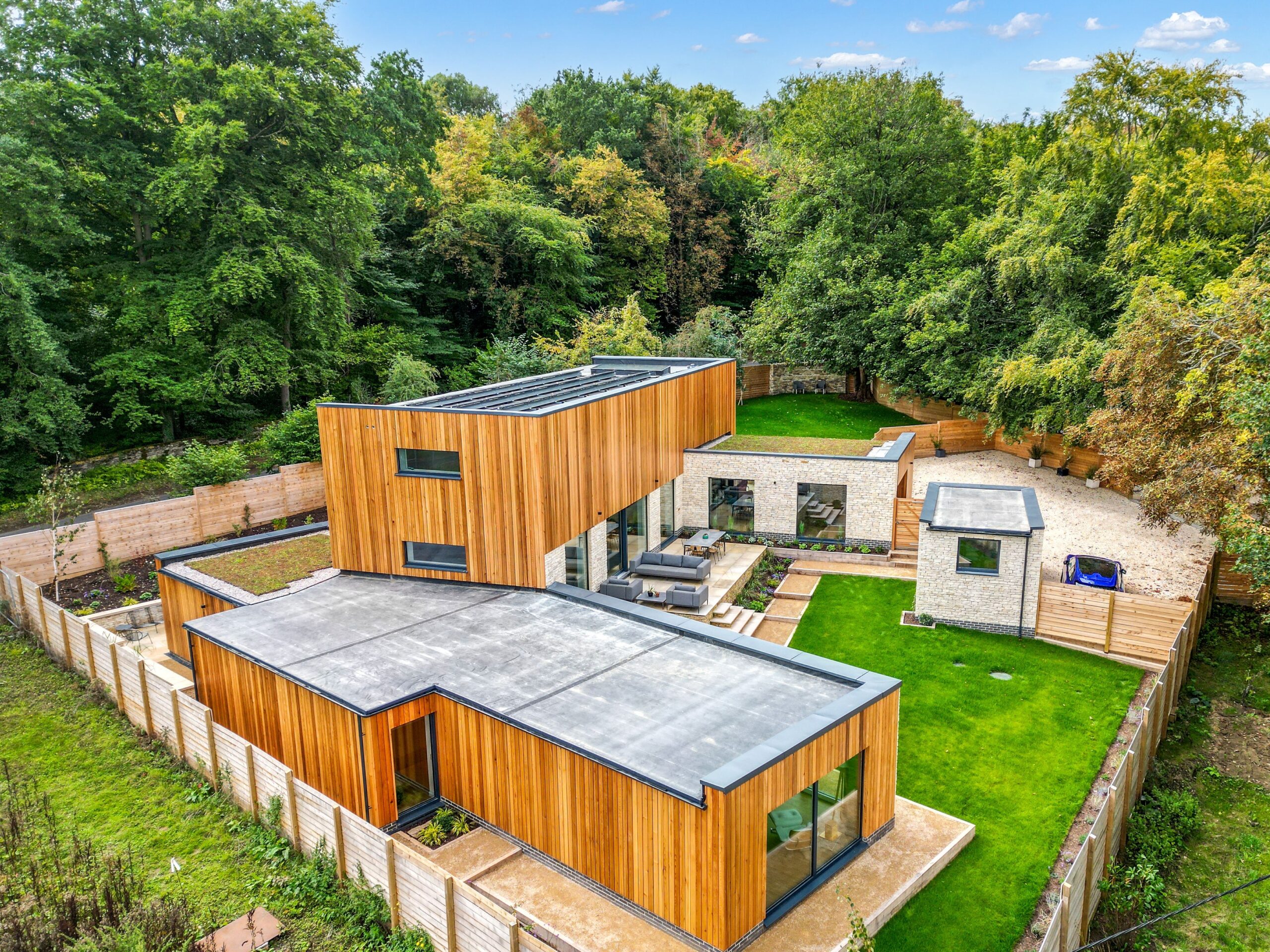
THE ADVANTAGES OF ICF SYSTEMS
One of the main benefits of ICF is the system’s thermal performance. Pre-formed blocks or panels are stacked, reinforced and filled with concrete to create a single monolithic structure. This results in very few gaps in the fabric, making high levels of airtightness easier to achieve.
Because the insulation is built into the system, the envelope is largely established as the walls go up, reducing the need for additional layers later.
In use, this creates a stable internal temperature with fewer draughts and cold spots. ICF homes stay warmer in winter, cooler in summer, and require less energy to heat and cool, leading to lower long-term energy bills.
The strength of reinforced concrete offers outstanding structural integrity, with reduced maintenance and excellent resilience to extreme weather. The solid structure also provides excellent sound insulation, making interiors noticeably quieter - ideal if you live near a road or in a busy neighbourhood.
ICF systems are also quicker to construct than traditional methods. Once the formwork is assembled and the concrete poured, the floors and roof systems can be added shortly afterwards, meaning internal works and the first fix can commence more quickly and in a dry environment.
HOW ICF INFLUENCES THE DESIGN OF A HOUSE
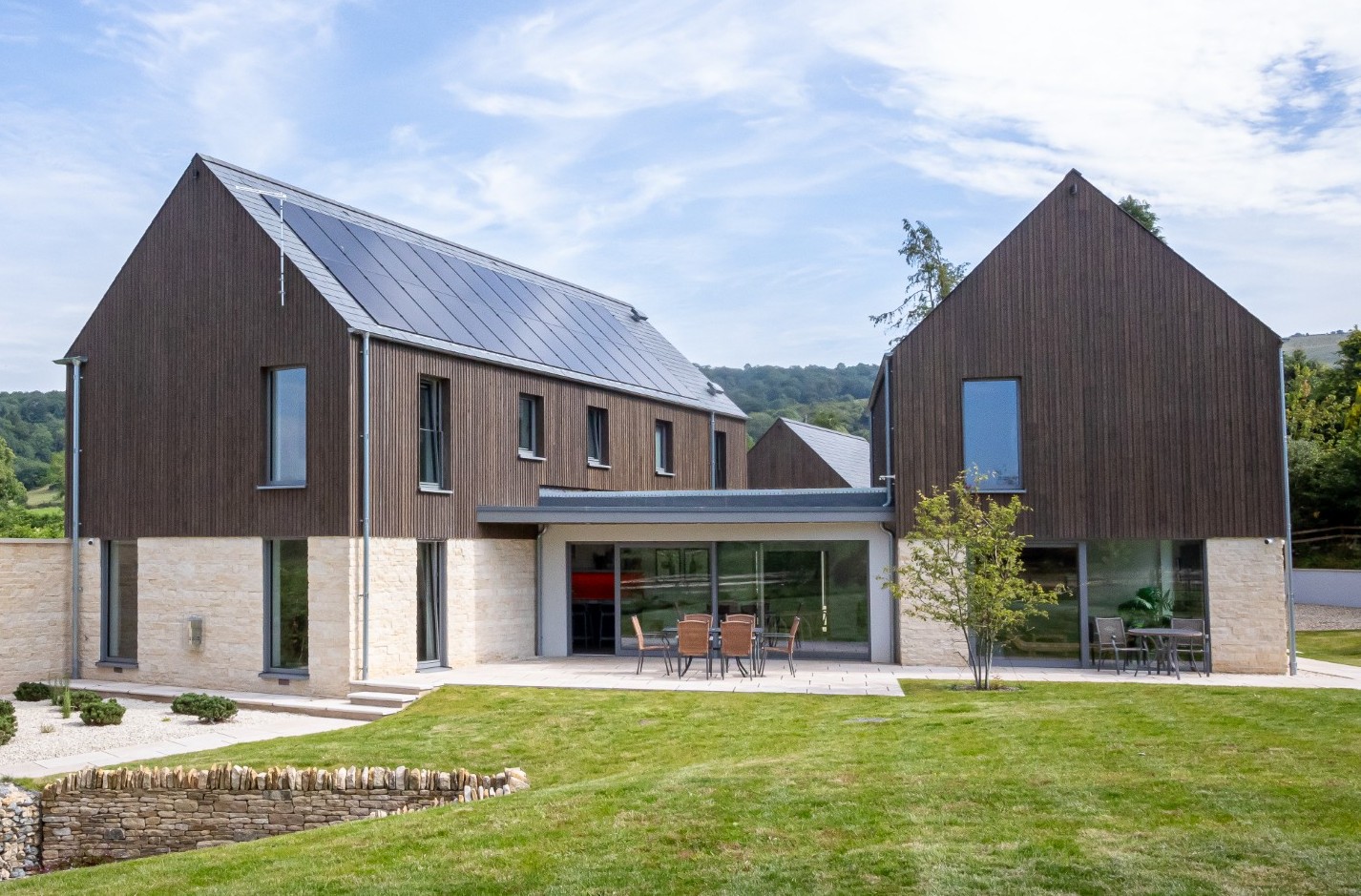
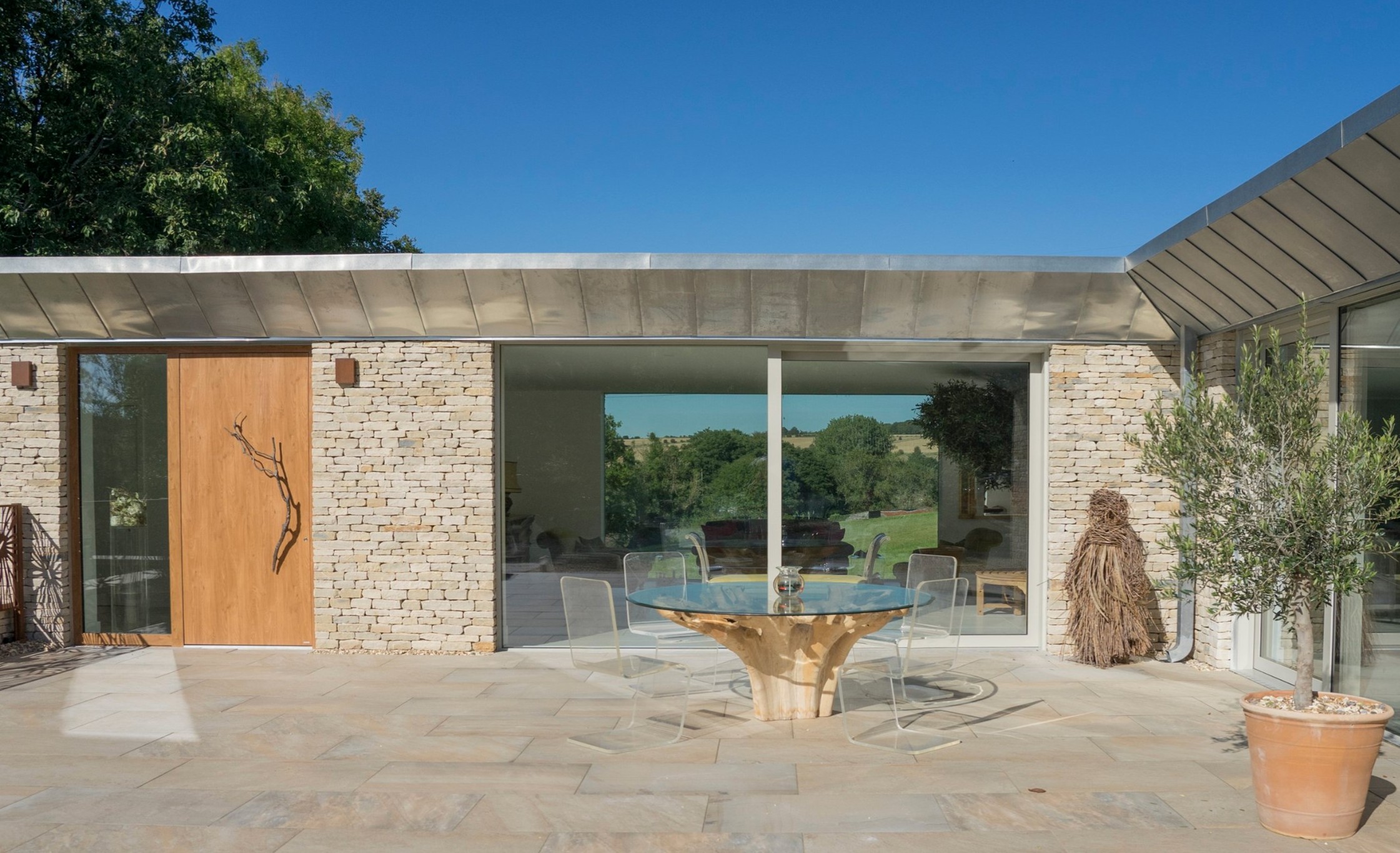
A common misconception is that ICF limits design. In practice, it can accommodate a wide range of forms - curves, large open-plan spaces, vaulted ceilings, and contemporary design features are all achievable. External finishes can include brick, render, timber or stone, which means homeowners don’t have to choose between performance and aesthetics; ICF delivers both.
There are, however, some design implications that need to be considered …
The airtight nature of the system means mechanical ventilation with heat recovery (MVHR) is always required. MVHR systems help provide the necessary air changes within the dwelling while maintaining the benefits of the insulated envelope.
Wall thicknesses are also greater than standard cavity walls, which needs to be considered early in the design.
Design changes are harder once the concrete is poured, so careful planning is required at the outset along with an architect who understands how a particular system handles technical details and finishes. In the same way that timber frame or SIPs construction requires its own set of details, ICF systems have their own detailing requirements.
THE BENEFITS OF ICF FOR CHALLENGING SITES
ICF can work well on challenging sites. The components are relatively lightweight, which can help where access is restricted or materials need to be moved some distance. Concrete still needs to be poured, but this can often be pumped from the roadside or a static mixer on site.
The systems can also reduce the need for heavy plant machinery, although cranes may still be required for floor or roof structures.
CHOOSING BETWEEN DIFFERENT SYSTEMS
Across our projects we have worked with several systems including Isotex, R-Wall and more recently Nudura.
The choice is rarely about one system being universally better than another. In some cases, it’s influenced by the client’s preference. In others, the accessibility and size of the site is a key consideration as systems come in a range of forms with differing amounts of assembly required on site.

TRADE-OFFS TO CONSIDER WHEN CHOOSING ICF
ICF is not the right solution for every project.
Costs are typically higher per square metre than traditional masonry. While this can be offset by faster progress on site and long-term fabric performance, the upfront cost can be a barrier for some self-builders.
It is still a relatively specialist construction method, so familiarity among contractors and consultants, such as structural engineers, can vary. We’ve worked with a range of systems and can help connect you with experienced teams. In some cases, clients themselves have attended short training sessions and have then gone on to erect the system as part of a self-build project. This is another reason why the approach has become popular with self-builders and smaller developers who want to be actively involved in building their home.
There are also wider sustainability considerations. While some formwork uses recycled materials, concrete has a higher embodied carbon. Improvements are being made, and the long lifespan and reduced energy use of ICF homes can help balance this over time.
ICF AND THE FUTURE OF HOME DESIGN
For self-builders focused on energy efficiency performance, durability or who are looking for a quick build approach that they can choose to engage with, ICF can be a good fit. It does require careful planning and the right team of professionals. Used in the right context, it can deliver a well-performing and robust home for decades to come.
Ready to find out more about ICF?
Get in touch to talk through your project.